
What style is your home
The architectural style of your home is the set of design features the house shares with the movement it was built in, and it is named from the 4 features the eye reads first, the roof, the facade, the windows and the ornament. A house is never built in a pure style, because the builder mixes the features of the movement that was current with the site and the budget, so the style of the home is the style of its dominant features, the majority of the 4, read together. The naming runs from the general to the specific, the broad movement first and the local variation after, and the guide that follows gives the features of each style so the house can be named from what it shows.
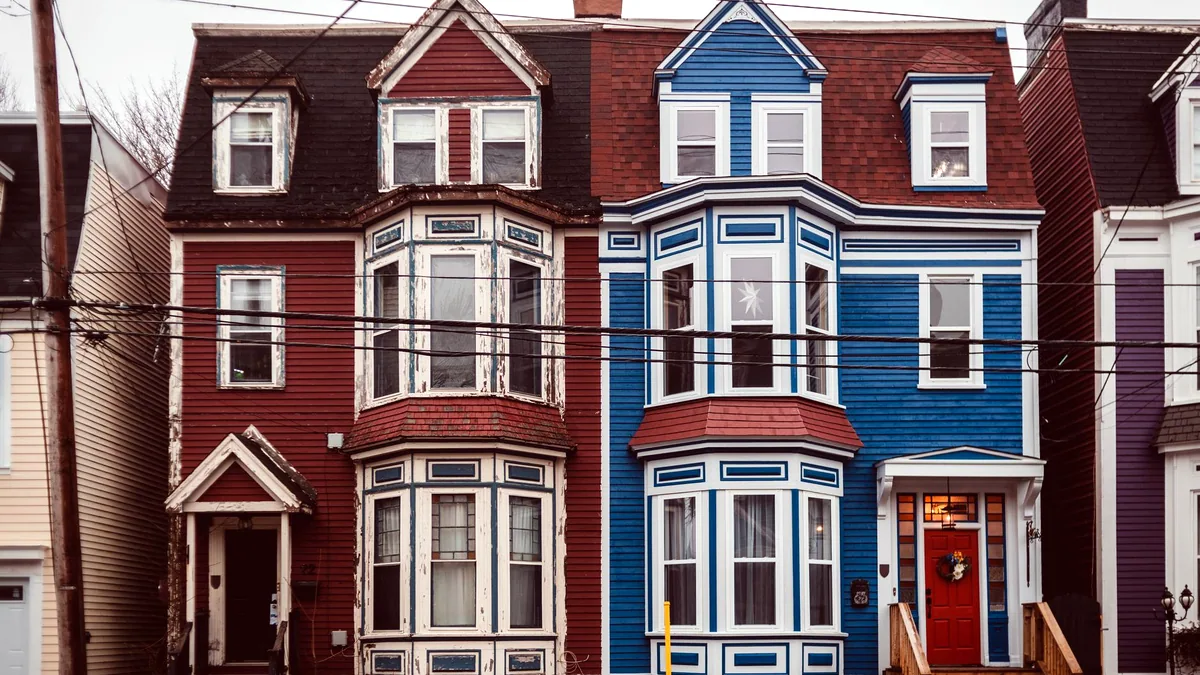
The 4 features that name a style
The features that name the architectural style of a home are the 4 the eye reads on the street, and they are the roof, the facade, the windows and the ornament. The roof is the first feature, the shape and the pitch that the style sets, the steep gable of the colonial, the low hipped of the craftsman, the flat of the modern. The facade is the second, the arrangement of the front face, the symmetry of the colonial and the vernacular, the massing of the prairie, the plain wall of the contemporary. The windows are the third, the size and the proportion the style gives them, the tall narrow of the colonial, the broad horizontal of the craftsman, the picture glass of the modern. The ornament is the fourth, the detail the style adds to the plain, the dentil of the federal, the carved bracket of the victorian, the clean edge of the contemporary where the ornament is the absence of it. The 4 features together are the name of the style, and the house is named from the majority, the 3 of the 4 that agree, because the one that does not is the local change the builder made.
The styles the houses of the street belong to
The styles the houses of the street belong to are the movements the house was built in, and the 6 that cover most of the built residential stock are the colonial, the victorian, the craftsman, the bungalow, the prairie and the contemporary. The colonial is the house of the early settlement, the symmetrical facade with the central door and the paired windows, the style of the 18th and 19th century house that the later colonies copied. The victorian is the house of the rail era, the steep roof and the bay window and the ornament of the 1860 to 1890 build, the style the Victorian houses of that date carry. The craftsman is the house of the early 20th century, the low pitched roof with the broad eaves and the exposed bracket and the tapered column, the style the bungalow of the 1910 build often carries. The bungalow is the house of the suburb, the single story with the covered porch and the low roof, the form the craftsman style most often dresses. The prairie is the house of the Midwestern flat, the horizontal mass with the band window and the deep eave, the style Frank Lloyd Wright built the Robie House in. The contemporary is the house of the present, the plain wall and the flat roof and the large glass, the style that has no ornament and names itself by the date. The 6 styles are the movements the residential stock belongs to, and the house on the street is named from the one its 4 features carry.
How to read the date from the style
The date of the house reads from the style it carries, and the 3 ranges of the date are the ranges the 6 styles fall in. The first range is the 1700 to 1840 build, the colonial and the federal house, the symmetrical facade and the central door, and the house in this range is the one the street was settled in. The second range is the 1840 to 1900 build, the victorian and the early bungalow house, the ornament and the bay window, and the house in this range is the one the rail era built. The third range is the 1900 to the present build, the craftsman, the prairie and the contemporary house, and the house in this range is the one the 20th and 21st century put on the lot. The 3 ranges, the settlement, the rail era and the modern, are the dates the style names, and the house that carries the features of one range is the house the range built, the date reading from the roof and the facade and the window the style gave them. The style is the date the house wears, and the name of the style is the name of the era the house was built in.
Where the local variation sits
The local variation of the style is the change the builder makes to the movement the house belongs to, and it sits in the 4 features the style names. The roof takes the first variation, the pitch the local builder sets to the weather of the place, the steeper eave in the snow country and the lower in the dry. The facade takes the second, the arrangement the builder sets to the width of the lot, the narrower facade on the narrow lot that the movement's plan did not expect. The window takes the third, the size the builder sets to the light of the site, the larger glass on the side the view opens to. The ornament takes the fourth, the detail the local craftsman carves in the material of the place, the stone of the quarry and the brick of the kiln that the movement's book did not name. The 4 variations are the local change the house carries, and they are the reason the same style reads differently on the street of one town and the street of another, the style the same and the variation the local. The house is named from the style, the movement it belongs to, and the variation is the note the place adds to the name, the local that the movement's book leaves out.
How the style of the home is named in the end
The naming of the home's style in the end runs from the 4 features to the 6 styles to the date, and it is the order the eye reads the house in. The eye takes the 4 features first, the roof, the facade, the windows and the ornament, and reads them as the majority, the 3 that agree. The eye then matches the majority to the 6 styles, the colonial, the victorian, the craftsman, the bungalow, the prairie and the contemporary, and names the style the features belong to. The eye then reads the date from the style, the 3 ranges the styles fall in, and sets the house in the era the movement built it. The 3 steps, the features, the style and the date, are the naming of the home's architectural style, and they are the steps the house on the street is read by, the features that carry the style and the style that carries the date. The house named this way is the house the street knows it by, the style it wears and the era it was built in, and the name is the name the house answers to when the question is what style the home is, the answer the 4 features give, read in the order the eye reads them.