
Helsinki architecture
The architecture of Helsinki is the built record of the capital of Finland, and it runs from the classical plan of the old town to the modern work of Alvar Aalto that made the city a name in the 20th century. Helsinki is the capital and the largest city of Finland, the Nordic country in Northern Europe, and the architecture of the city carries the 3 periods that made it, the classical plan of the 18th century, the historicist build of the 19th and the modern of the 20th. The city is the place where the Nordic modern took its form, and the architecture of Helsinki is the record of that form, the building that the capital set as the mark of the country's design.
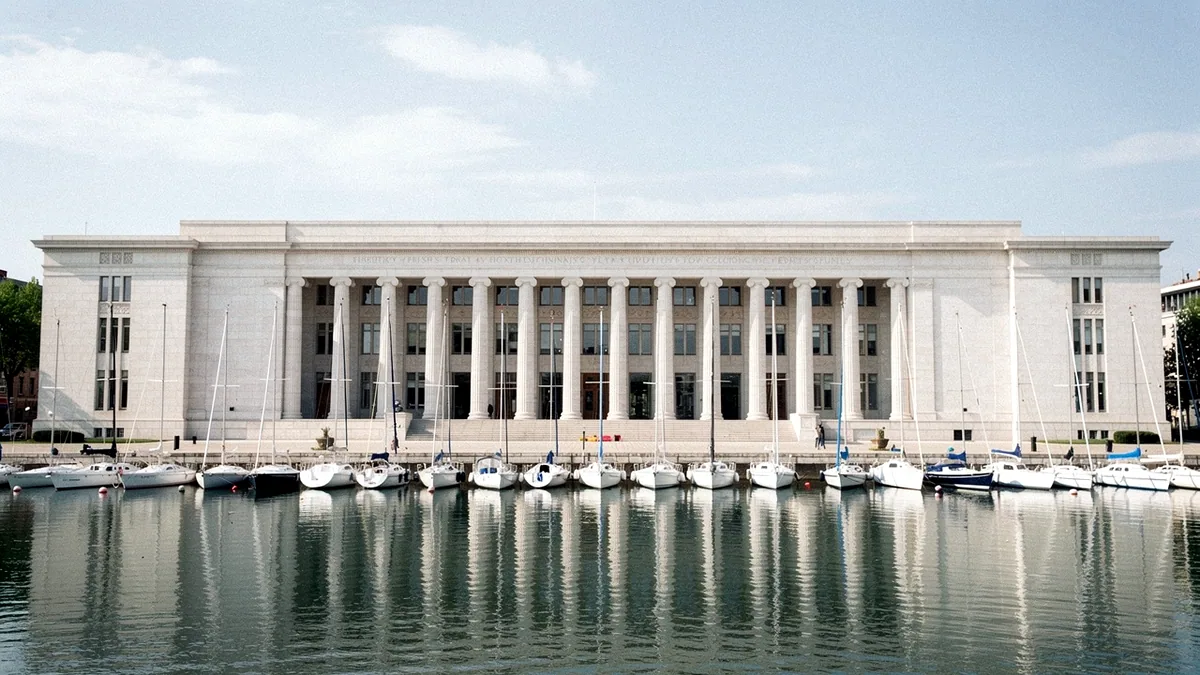
The classical plan of the old town
The classical plan of the old town of Helsinki is the architecture the city was laid out in, and it is the grid and the square that the 18th century set. The 3 features the classical plan carries are the grid, the square and the church, and they are the things that name the old town on the map. The grid is the order of the street, the line that the city laid from the harbour, the straight and the regular that the classical plan sets, and it is the feature the old town carries, the street that the plan ordered from the water. The square is the room of the city, the Senate Square that the plan set as the centre, the open space that the building faces, and it is the feature the old town holds, the square that the government and the church front. The church is the mark of the square, the Helsinki Cathedral that the white column and the dome set over the Senate Square, and it is the feature the old town is read by, the church that the classical plan set as the centre. The 3 features, the grid, the square and the church, are the classical plan, and they are the architecture the old town of Helsinki carries, the 18th century order that the city was laid in, the plan that the later build grew around.
The historicist build of the 19th century
The historicist build is the architecture Helsinki added in the 19th century, and it is the style the city wore while it was the capital of the grand duchy. The 3 styles the historicist build carries are the neo baroque, the neo classical and the national romantic, and they are the things the 19th century facade shows. The neo baroque is the style of the public building, the curve and the ornament that the government house and the station carry, and it is the style the 19th century public work wore, the baroque that the grand duchy brought back. The neo classical is the style of the civic building, the column and the pediment that the museum and the theatre carry, and it is the style the civic work wore, the classical that the city echoed from the old town. The national romantic is the style of the late century, the granite and the local detail that the building carried as the national identity set, and it is the style the turn of the century wore, the romantic that the national work took. The 3 styles, the neo baroque, the neo classical and the national romantic, are the historicist build, and they are the architecture the 19th century Helsinki added, the facade the grand duchy wore, the style the city carried before the modern took it.
The modern work of Alvar Aalto
The modern work is the architecture that made Helsinki a name in the 20th century, and it is the work of Alvar Aalto, the Finnish architect born in 1898 who set the Nordic modern in the building. The 3 things the Aalto modern carries are the material, the form and the plan, and they are the things that name the Helsinki modern on the street. The material is the local substance carried to the surface, the brick and the timber and the concrete that the building shows rather than hides, and it is the thing the Aalto work sets, the material of the place made the skin of the building. The form is the curve that the modern takes, the plane that bends rather than the flat the international style held, and it is the thing the Aalto work carries, the curve that the Nordic modern set against the straight of the international. The plan is the interior that the use sets, the room that the life orders and the light that the site gives, and it is the thing the Aalto work works to, the plan that the place and the life set. The 3 things, the material, the form and the plan, are the Aalto modern, and they are the architecture that made Helsinki the capital of the Nordic modern, the work that the city set as the mark of the country's design, the modern that grew from the material and the curve and the plan the Aalto work set.
The buildings that carry the city
The buildings that carry the name of the Helsinki architecture are the 3 that the city is read by, and they are the Helsinki Cathedral, the Helsinki Central Railway Station and the Finlandia Hall that the modern carries. The Helsinki Cathedral is the mark of the old town, the white column and the dome that the classical plan set over the Senate Square, and it is the building the old town is read by, the church that the 18th century plan set as the centre. The Helsinki Central Railway Station is the mark of the historicist build, the granite and the dome that the national romantic set at the turn of the century, and it is the building the 19th century is read by, the station that the romantic style carried into the public work. The Finlandia Hall is the mark of the 20th century, the concrete and the column that the Aalto modern set as the concert hall on the Senate Square, and it is the building the modern is read by, the work that the Aalto school carried into the capital. The 3 buildings, the cathedral, the station and the Finlandia Hall, are the architecture Helsinki carries, the classical and the historicist and the modern, the 3 that the city is read by from the old town to the modern, the building that each period set as the mark.
Why the city reads as Nordic modern
The reason Helsinki reads as the capital of the Nordic modern is the 2 things the city carries that the other capitals do not, and they are the material and the curve. The material is the first, the local substance that the building shows, the brick and the timber and the granite of the place made the skin of the building, and it is the thing the Nordic modern sets, the material of the north carried to the surface rather than the skin the international style gave. The curve is the second, the form that the modern takes, the plane that bends rather than the flat the international held, and it is the thing the Nordic modern carries, the curve that the Aalto work set against the straight of the international style. The 2 things, the material and the curve, are why the city reads as Nordic modern, and they are the things Helsinki carries that the other capitals do not, the material of the place and the curve of the form, the 2 that the Aalto work set and the city took, the reason the capital of Finland reads as the place where the modern took its Nordic form, the architecture that the material and the curve made the mark of the country's design.