
Building materials and technology
Building materials are the physical substances a building is made of, and they are the raw inputs of architecture in the most direct sense, because the discipline of architecture is only complete when a design is built from real matter. The 5 core families that a builder orders for a house are concrete, steel, timber, masonry and glass, and the cost of the materials typically makes up a large share of the total price before any labour is counted. This page defines the core materials, names the sustainable options, flags the asbestos question in older stock, and gives a way to estimate a materials cost per square foot.
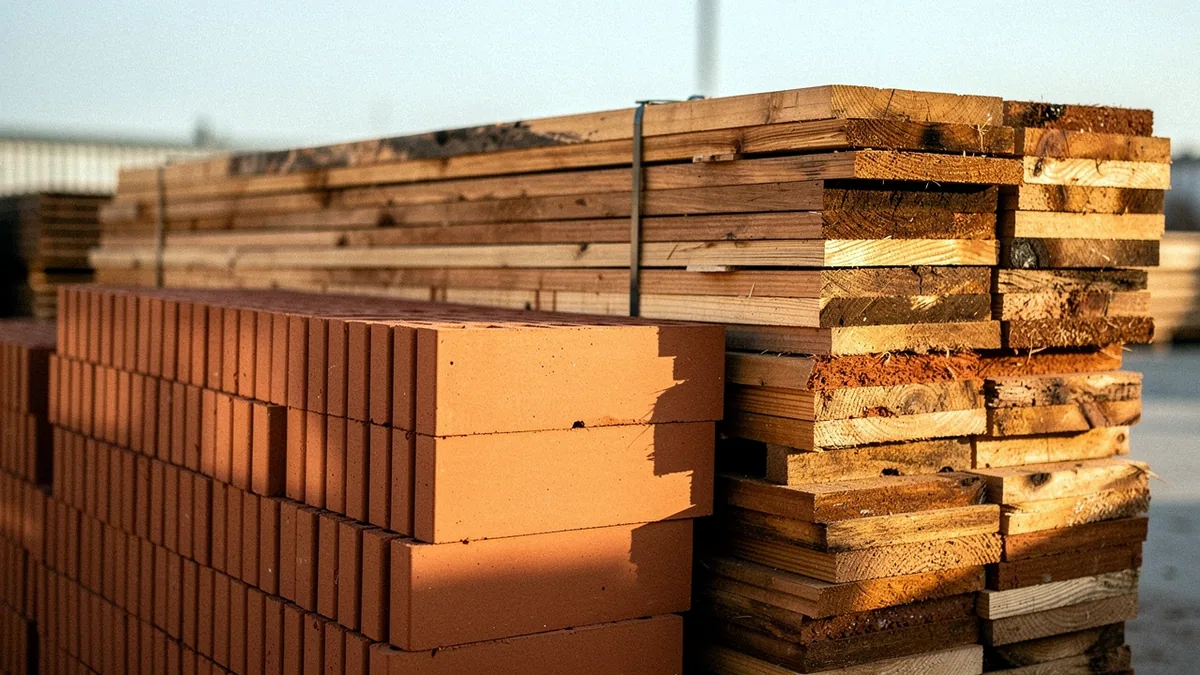
The core building materials of a house
The core building materials of a house are the 5 families that carry the structure and close it in, and each one is chosen for a specific job. Concrete, a mix of cement, aggregate and water, is the default for the foundation and the slab, because it is strong in compression and cheap per cubic metre. Steel, usually rolled into beams and rebar, carries the tensile loads that concrete handles poorly, and a modern frame is a partnership of the 2. Timber, most often dimensional lumber and engineered board such as glulam, frames the floors and the roof of a residential building and is the material that most houses are built from by volume. Masonry, brick and block, closes the wall and gives the thermal mass that keeps a building steady in temperature. Glass, set in the curtain wall or the window, is the only one of the 5 that is transparent, and it is where the building meets the light.
The sustainable building materials
The sustainable building materials are the ones that carry less hidden carbon in the ground they come from and in the energy it takes to make them, and they are now a first choice in new architecture rather than a specialty. Timber is the clearest example, because a tree stores the carbon it grows with, and a building frame of timber keeps that carbon locked in for the life of the building. Recycled steel uses about 75 percent less energy to produce than virgin steel, which is why a reused or recycled section is preferred on a project that counts its carbon. Low embodied carbon concrete mixes replace part of the cement, the ingredient that makes most of the concrete's carbon, with fly ash or slag.
The asbestos question in older materials
The asbestos question in older materials matters because several building products made before the 1980s contain asbestos fibres, and a renovation of a building from that period has to test for them before anything is cut. The products that most often carry asbestos are the vinyl floor tile and the sheeting behind it, the pipe insulation, the vermiculite attic insulation, and the cement board around a stove or a chimney. The fibre is only a risk when it is disturbed and inhaled, so an intact sheet in a floor is usually left in place, but a cut or a scraped one releases the fibres. The rule for any work on a building that was built before 1980 is to have a lab sample tested first.
Estimating a materials cost per square foot
Estimating a materials cost per square foot is the fastest way to sanity check a budget, and the figure below is a rough range, not a quote, because real prices depend on the region, the year and the finish. For a residential building the materials alone, before labour, are often budgeted in a band, and the table gives the band with a note on what it covers. The calculator below takes a floor area in square feet and a chosen rate per square foot and returns a total, which is enough to compare two designs of the building before a builder prices them.
| Material band | Typical range | Covers |
|---|---|---|
| Basic shell | $100 to $150 per sq ft | Framing, sheathing, roofing, windows |
| Standard finish | $150 to $250 per sq ft | Shell plus walls, floors, doors, trim |
| Higher spec | $250 to $400 per sq ft | Shell and finish with premium windows and stone |
Materials cost estimate, materials only, before labour.
Where to start
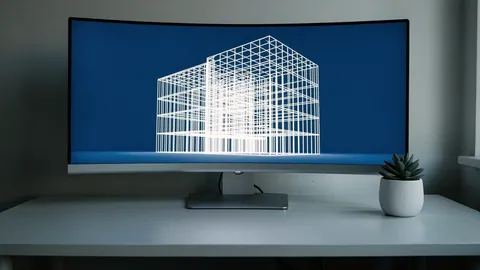 1. START HEREBuilding information modelingBuilding information modeling is the practice of representing a building as a 3D model that carries the data of every element in it.2. START HEREArchitecture in LegoArchitecture in Lego is the use of the plastic building block, the piece that snaps to a 1 by 1 stud grid, to build a model of a real building.
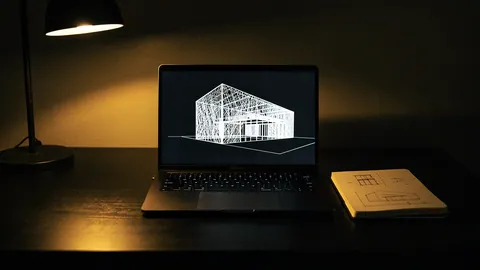 3. START HEREAI in architectureAI in architecture is the use of machine learning and generative software to do part of the work of the discipline of architecture.
All pages in Materials & Technology
 ALL PAGES IN MATERIALS &Architecture design softwareArchitecture design software is the set of programs an architect uses to draw, model and document a building, and it comes in 3 broad families.
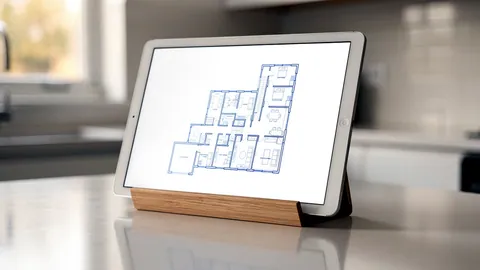 ARCHITECTURE APPArchitecture appsArchitecture apps are the mobile and desktop programs that an architect or a surveyor runs on a phone, a tablet or a laptop to measure a space.