
Architecture styles
An architectural style is the set of design features that a building shares with the movement and the place and the period that made it, and it is the name the building answers to when the question is what kind of building it is. There are more than 20 named styles in the Western tradition, from the classical orders of antiquity to the brutalism of the mid 20th century, and the number grows with each period the field adds. The style is read from the 4 features the eye sees on the street, the roof, the facade, the window and the ornament, and it is the name that groups the buildings that share the 4, the way the discipline sorts the built world into the movements that made it.
What an architectural style is
The architectural style is the name the building takes from the movement it was built in, and it is the set of features the movement gives the building. The 4 features the style carries are the roof, the facade, the window and the ornament, and they are the things the eye reads on the street that name the building. The roof is the shape and the pitch the movement sets, the gable and the hip and the dome and the flat that the period gives. The facade is the arrangement of the face, the symmetry and the massing and the plane that the movement orders. The window is the size and the proportion the movement sets, the narrow and the wide and the band and the picture that the period draws. The ornament is the detail the movement adds, the column and the moulding and the carving and the clean edge that the period marks. The 4 together are the style, and the building is named from the majority of them, the 3 that agree, because the one that does not is the local change the builder made. The style is the name the discipline gives the building, the way it sorts the built world into the movements that made it, and it is the answer to the question of what kind of architecture the building is.
The main styles in order
The main architectural styles run in the order the movements came, and the 8 that carry the Western tradition are the classical, the gothic, the renaissance, the baroque, the neoclassical, the victorian, the art deco and the modernist. The classical is the style of antiquity, the Greek and the Roman order, the column and the pediment and the dome that the West built from. The gothic is the style of the medieval cathedral, the pointed arch and the rib and the flying buttress that held the stone wall up. The renaissance is the style of the rebirth, the symmetry and the proportion and the classical order brought back from the Roman. The baroque is the style of the drama, the curve and the ornament and the light that the church and the palace carried. The neoclassical is the style of the return, the classical order brought back by the republic and the empire, the style the White House is built in. The victorian is the style of the rail era, the ornament and the bay and the steep roof that the 19th century house carried. The art deco is the style of the machine age, the geometric ornament and the vertical line that the 1920 and 1930 building carried. The modernist is the style of the 20th century, the plain wall and the flat roof and the glass that the movement made the building new in. The 8 in that order are the main styles, and they are the movements the built world is sorted into, the names the architecture of each period answers to.
The styles the houses of the United Kingdom carry
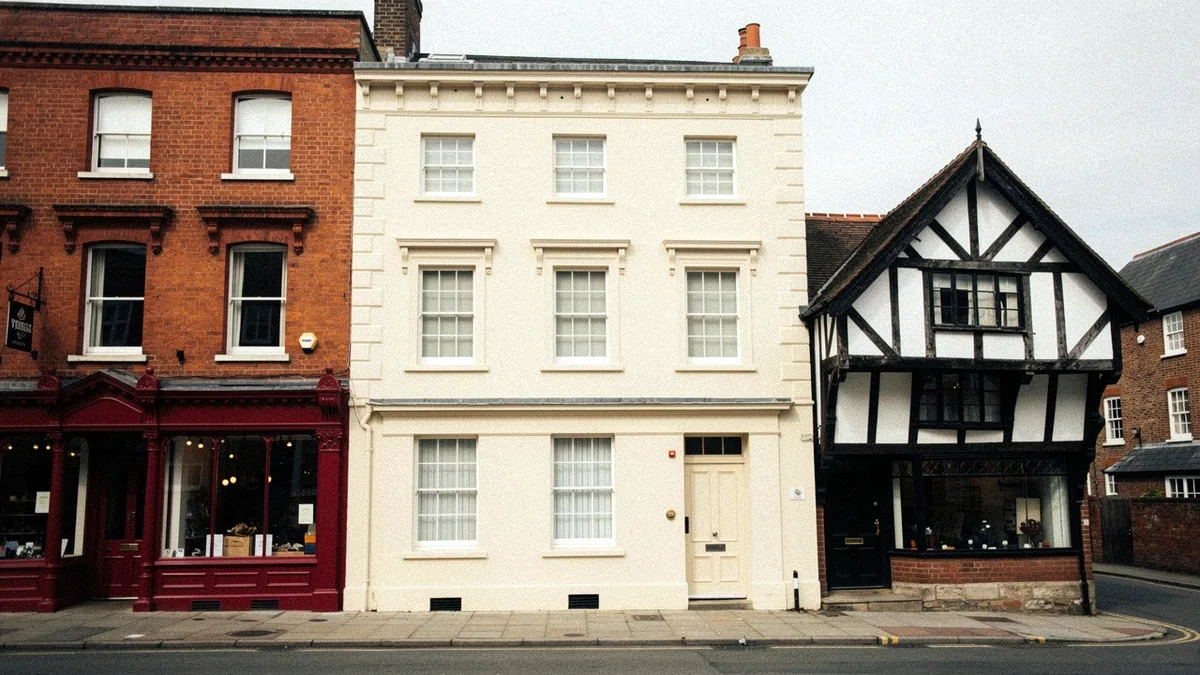
The house styles of the United Kingdom are the movements the British house was built in, and the 6 that cover the residential stock are the tudor, the georgian, the victorian, the edwardian, the arts and crafts and the modern. The tudor is the house of the late medieval and the early modern, the black and white timber and the steep roof that the style carries. The georgian is the house of the 18th century, the symmetrical facade and the sash window and the brick that the 4 kings named the style after, the georgian house of the terrace and the square. The victorian is the house of the rail era, the bay window and the ornament and the brick that the 1840 to 1901 build carried, the style the terraces of the industrial city wear. The edwardian is the house of the 1901 to 1910 build, the lighter facade and the porch and the tile that the style carries, the house between the victorian and the interwar. The arts and crafts is the house of the reaction, the honest material and the hand work and the local detail that the movement set against the industrial, the style the craftsman house descends from. The modern is the house of the present, the plain wall and the glass and the flat roof that the 20th and 21st century build carries. The 6 are the styles the British house carries, and they are the names the house on the street answers to, the movements the United Kingdom built its homes in.
Where to start
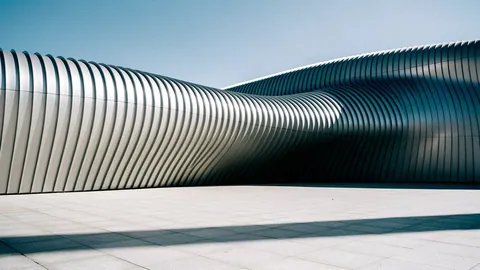 1. ARCHITECT FRANK GEHRYFrank Gehry architectureFrank Gehry is the Canadian American architect whose deconstructivist buildings made the fragment and the curve the form of the late 20th century.
 2. START HEREThe history of architectureThe history of architecture is the record of how the discipline of architecture has changed across roughly 4,000 years of building.
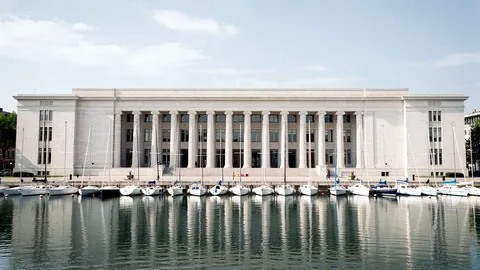 3. START HEREHelsinki architectureThe architecture of Helsinki is the built record of the capital of Finland.
Pages describing an architectural style, building type
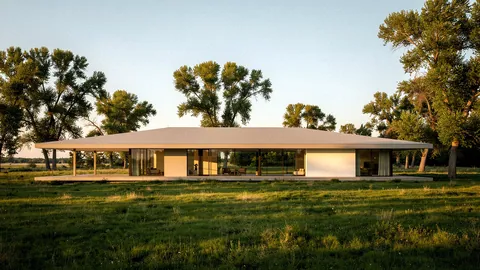 FRANK LLOYD WRIGHTFrank Lloyd Wright architectureFrank Lloyd Wright was the American architect who built the organic house and the prairie form.
 WHAT ARCHITECTURE STYLE ISThe White House architectural styleThe architectural style of the White House is the neoclassical. The White House at 1600 Pennsylvania Avenue in Washington, D.C.