
The White House architectural style
The architectural style of the White House is the neoclassical, and it is the style the building wears because the republic that commissioned it built in the order of the Greek and the Roman temple. The White House at 1600 Pennsylvania Avenue in Washington, D.C. is the residence and workplace of the president of the United States, and it is the neoclassical mansion that the young republic set as the seat of the government. The 4 features that make it neoclassical are the symmetry, the portico, the column and the pediment, and they are the things the eye reads on the street that name the building, the style the republic chose for the house it built to hold the government.
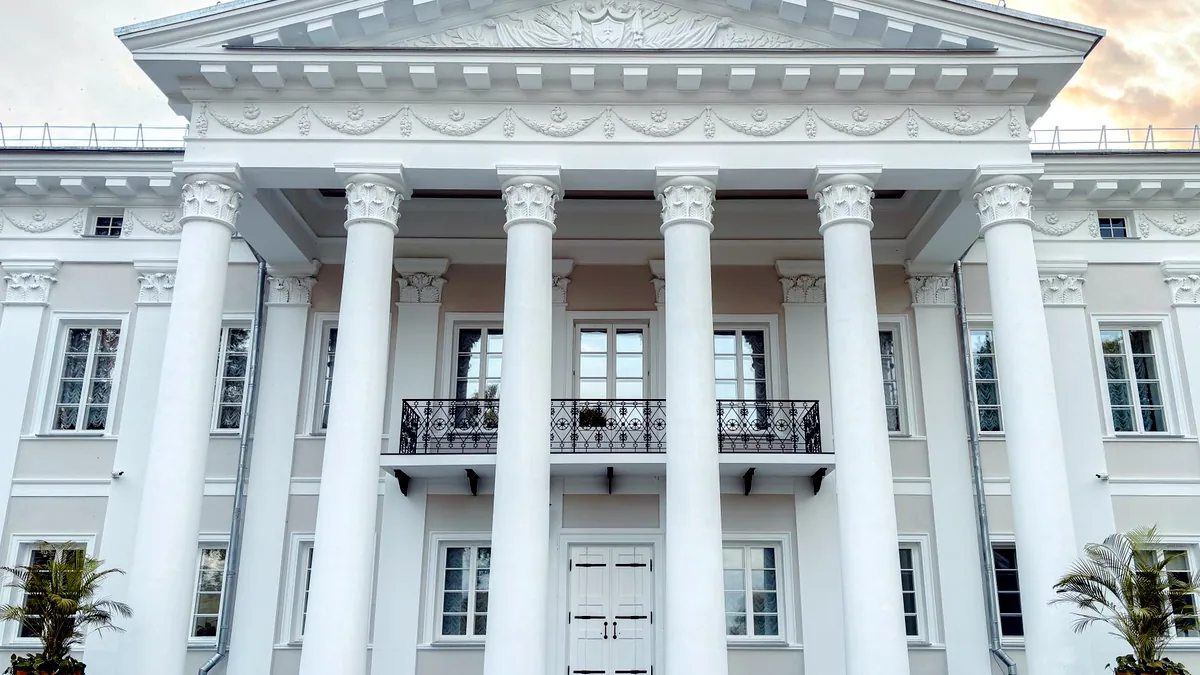
The neoclassical style the building carries
The neoclassical style is the architecture the White House carries, and it is the style that brings the order of the classical back to the building of the republic. The 4 features the neoclassical sets are the symmetry, the portico, the column and the pediment, and they are the things the White House shows on the face. The symmetry is the arrangement of the facade, the balance of the left and the right that the classical order sets, and it is the feature the White House carries, the front that reads as the same from the centre to either side. The portico is the porch that the column carries, the entry that the building sets under the roof the column holds, and it is the feature the White House shows at the door, the portico that the visitor passes under. The column is the member that the portico stands on, the shaft and the capital that the classical order gives, and it is the feature the White House carries, the column that the portico and the pediment rest on. The pediment is the triangle that the column holds, the gable that the portico sets over the entry, and it is the feature that names the temple the building echoes, the pediment that the column carries over the door. The 4 features, the symmetry, the portico, the column and the pediment, are the neoclassical style, and they are the things the White House wears, the style the republic built in, the classical order that the young government set as the form of its house.
Why the republic chose the style
The reason the republic chose the neoclassical style for the White House is the 2 ideas that the new government wanted the building to carry, and they are the republic and the antiquity. The republic is the first idea, the government that the building holds, the rule by the people rather than the crown, and it is the idea the neoclassical carries, because the classical order was the order of the Greek and the Roman republic, the government the new one modelled itself on. The antiquity is the second idea, the past that the building reaches back to, the temple and the forum of the ancient city, and it is the idea the neoclassical carries, because the style that echoes the antiquity sets the new government in the line of the old, the republic that builds in the order of the republic before it. The 2 ideas, the republic and the antiquity, are why the style was chosen, and they are the things the White House was built to say, the government of the people in the order of the ancient republic, the neoclassical that the young nation set as the form of the house that holds it.
The features that define the facade
The features that define the facade of the White House are the 3 that the neoclassical shows most, and they are the portico, the window and the balustrade. The portico is the first, the columned porch that the south face carries, the semicircular portico that the column holds over the entry, and it is the feature the facade is read by, the portico that the visitor meets. The window is the second, the sash window that the neoclassical sets in the symmetric wall, the tall narrow opening that the order gives, and it is the feature the facade carries, the window that the symmetry orders across the face. The balustrade is the third, the railing that the roof and the terrace carry, the baluster that the edge sets, and it is the feature that the top of the facade shows, the balustrade that the classical building carries over the wall. The 3 features, the portico, the window and the balustrade, are what define the facade, and they are the things the eye reads that name the building neoclassical, the portico that the column holds, the window that the symmetry orders and the balustrade that the edge carries, the facade the republic built in the order of the classical.
How the style differs from the house styles of the street
The difference between the neoclassical style of the White House and the house styles of the street is the 2 things that set the public building apart from the private home, and they are the scale and the order. The scale is the first, the size the public building carries, the house that the government lives in rather than the family, and it is the thing that sets the White House apart, the scale that the portico and the column carry at the size the public work needs, the building that the street house does not reach. The order is the second, the strictness the classical order sets, the symmetry and the proportion that the republic holds rather than the variation the house allows, and it is the thing that names the White House neoclassical, the order that the public building keeps and the house style relaxes. The 2 things, the scale and the order, are how the style differs from the street house, and they are the things that set the White House apart, the neoclassical at the scale and the order the public work sets, the style the street house echoes in the smaller form but the public building carries in the full.
Where the style sits in the history
The place of the neoclassical style in the history of the architecture is the return of the classical to the building of the republic, and it is the position the White House holds in the line of the style. The style before the neoclassical was the baroque and the rococo, the curve and the ornament of the court that the 18th century held, and the neoclassical came as the reaction, the return of the straight line and the order that the republic wanted. The White House is the neoclassical building of the American republic, the house that the young nation set in the order of the classical, and it is the building the style is read by in the new world, the neoclassical that the republic chose against the ornament of the court. The style sits in the history as the return of the order, and it is the position the White House holds in the line of the neoclassical, the building that the republic set as the form of its house, the classical order that the new government wore, the style that the street house still echoes in the portico and the column and the symmetry the neoclassical set.