
Frank Gehry architecture
Frank Gehry is the Canadian American architect whose deconstructivist buildings made the fragment and the curve the form of the late 20th century, and his architecture is the style that carries the titanium skin and the parametric surface into the built city. Born in 1929 and working across 6 decades, Gehry designed the buildings that the deconstructivism of the 1980s is named by, and the 2 styles that carry his name are the deconstructivist work of the Guggenheim Museum Bilbao and the parametric work of the later concert hall and museum. The deconstructivism is the building that breaks the form into the fragment, the mass that the curve and the plate set apart, and the parametric work is the surface that the algorithm shapes, and the 2 together are the architecture Gehry built, the style that made the curved skin the form the city reads.
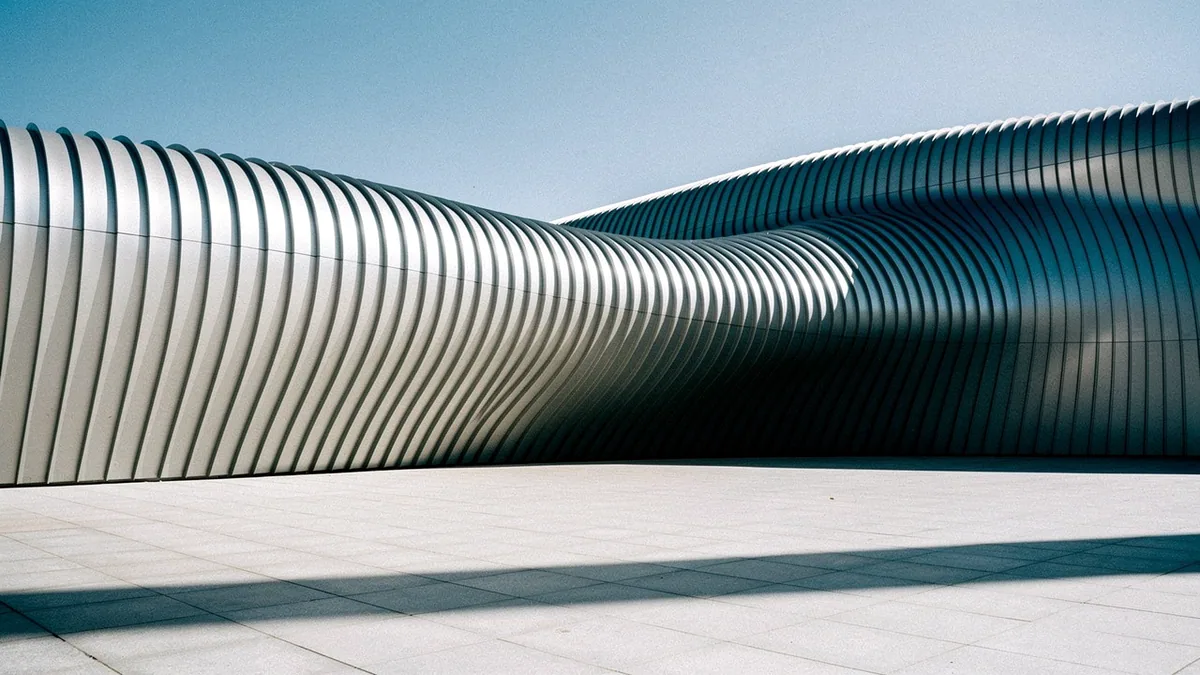
The deconstructivist style Gehry built
The deconstructivist style is the architecture Gehry built in the work that made the name, and it is the form that breaks the building into the fragment. The 3 features the deconstructivism sets are the fragment, the curve and the plate, and they are the things that name the deconstructivist building on the street. The fragment is the mass that the building breaks into, the volume that the form sets apart rather than the solid the modern held, and it is the feature the deconstructivist building carries, the part that the whole breaks into. The curve is the surface that the fragment takes, the plane that bends rather than the flat the modern set, and it is the feature that the curve gives the building the motion the straight line does not. The plate is the skin that the curve wears, the panel that the surface is clad in, the metal and the glass and the stone plate that the building shows, and it is the feature that the titanium of the Bilbao museum carries, the skin that the deconstructivist form wears. The 3 features, the fragment, the curve and the plate, are the deconstructivist style, and they are the form the Guggenheim Museum Bilbao in Spain carries, the 1997 building that the titanium plate sets over the curve, the deconstructivism that made the fragment and the curve the form of the late century.
The parametric work of the later buildings
The parametric work is the architecture Gehry built in the later career, and it is the surface that the algorithm shapes rather than the hand that draws it. The 2 tools the parametric work runs on are the model and the surface, and they are the things that set the form the later building takes. The model is the 3 dimensional form that the software shapes, the volume that the algorithm moves and the curve that it sets, and it is the tool the parametric work designs in, the form the computer shapes rather than the hand that draws. The surface is the skin that the model wears, the plate and the panel that the curve clad, the material that the algorithm sets over the form, and it is the tool the parametric work finishes in, the surface the model shapes into the skin. The 2 tools, the model and the surface, are the parametric work, and they are the form the later buildings carry, the concert hall and the museum that the algorithm shapes, the parametric architecture that took the curve of the deconstructivism and set it in the tool that shapes it, the work that followed the Bilbao museum into the digital form.
The buildings that carry the name
The buildings that carry the name of the Frank Gehry architecture are the 3 that the style is read by, and they are the Guggenheim Museum Bilbao, the Walt Disney Concert Hall and the Louis Vuitton Foundation. The Guggenheim Museum Bilbao in Spain is the deconstructivist museum, the 1997 building that the titanium plate sets over the curve, and it is the building the deconstructivism is named by, the museum that made the city and the style known together. The Walt Disney Concert Hall in Los Angeles is the parametric concert hall, the 2003 building that the stainless steel sail sets over the audience, and it is the building the parametric work is read by, the hall that the curve of the deconstructivism carries into the acoustic form. The Louis Vuitton Foundation in Paris is the parametric museum, the 2014 building that the glass lattice sets over the curve, and it is the building the later work is read by, the foundation that the algorithm shapes into the skin of glass. The 3 buildings, the Bilbao museum, the Disney hall and the Vuitton foundation, are the architecture Gehry built that the style is read by, the deconstructivist museum and the parametric hall and the parametric museum, the 3 that carry the name from the fragment to the curve to the surface the algorithm shapes.
How the style changed the city
The way the Frank Gehry style changed the city is the 2 moves that carried the deconstructivist building from the museum to the street, and they are the landmark and the skin. The landmark is the first move, the building that the city sets as the mark, the museum and the hall that the city names and the visitor comes for, and it is the move the Bilbao museum made, the building that the city grew around, the landmark that the deconstructivist form set as the mark the city reads. The skin is the second move, the surface that the building wears, the titanium and the steel and the glass plate that the curve clad, and it is the move the city took, the skin that the parametric work set as the finish the building shows, the surface that the algorithm shapes into the mark. The 2 moves, the landmark and the skin, are how the style changed the city, and they are the things the Gehry architecture gave the built city, the landmark that the city names and the skin that the building wears, the 2 that the deconstructivism and the parametric set and the city took, the style that made the curved building the form the city reads.
Where the style sits in the history
The place of the Frank Gehry architecture in the history of the style is the late move of the modern, and it is the position the deconstructivism and the parametric hold in the line of the 20th century building. The style before Gehry was the modern and the postmodern, the plain wall of the one and the ornament of the other that the mid century held, and the style after is the parametric and the digital, the surface that the algorithm shapes that the 21st century carries. Gehry built at the turn, the deconstructivism that broke the modern form into the fragment, and the parametric that set the fragment in the tool that shapes it, and the 2 together are the turn the century crossed from the solid to the curve to the surface. The style sits in the history as the move that made the fragment and the curve the form, and it is the position the Gehry architecture holds in the line of the style, the deconstructivism that broke the form and the parametric that shaped it, the 2 that the late century crossed into the digital surface the city now builds in.